The best quiet mechanical keyboards combine specialized silent switches with sound-dampening construction to provide a premium typing experience without disruptive noise. Key components include switches with internal dampeners, case materials like aluminum, and internal foam layers, allowing users to enjoy tactile feedback or smooth linear presses in shared offices or quiet home environments.
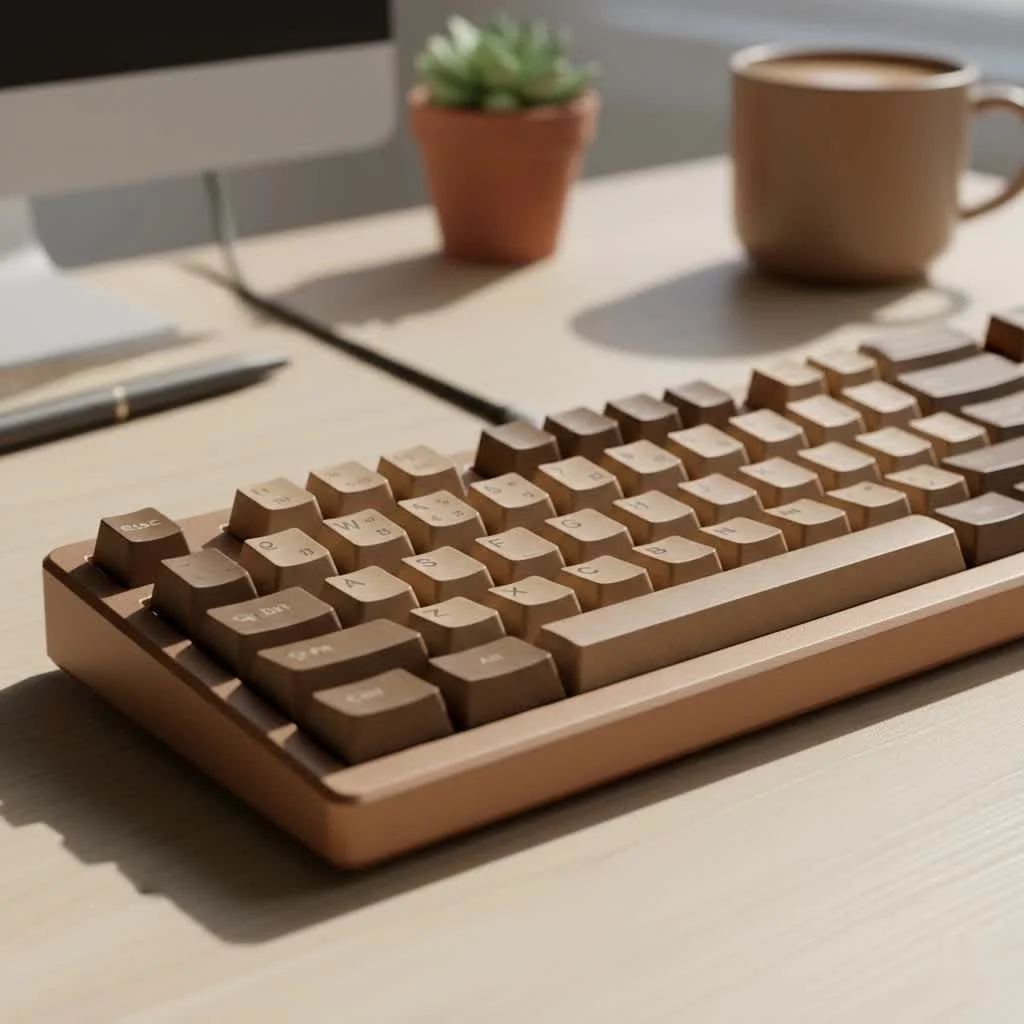
This guide explores the technology behind quiet mechanical keyboards, identifies top switches and models, and offers DIY tricks to reduce keyboard noise.
What Makes a Mechanical Keyboard Quiet?
The sound of a mechanical keyboard originates from its components. To achieve a quieter experience, it is essential to address the primary noise sources: the switch and the keyboard’s construction.
The Heart of Silence: Quiet Switches
The type of switch used is the most important factor. Traditional mechanical switches generate noise when the stem hits the bottom of the switch housing (bottom-out) and when it returns to the top (up-stroke). Quiet switches are specifically engineered to mitigate these sounds.
- Internal Dampeners: Silent switches incorporate small rubber or silicone dampeners on the switch stem. These soft pads cushion the impact during both bottom-out and up-stroke, absorbing sound that would otherwise resonate as a “clack.”
- Linear vs. Tactile:
- Silent Linear Switches: These are the most common type of quiet switch, offering a smooth, consistent keystroke without a tactile bump. Popular examples include the Cherry MX Silent Red and Kailh Box Silent Pink, often favored by gamers for their speed and quiet operation.
- Silent Tactile Switches: For users who desire feedback without noise, silent tactile switches provide a small bump to signify actuation. They are an excellent compromise for typing and office work, with examples like Gateron Silent Brown and Zilent V2 switches.
Beyond the Switch: Build Quality and Acoustics
A keyboard’s chassis influences its sound profile, similar to a drum. The materials, design, and internal space all contribute to the final sound.
- Case Material: Aluminum cases typically produce a higher-pitched, cleaner sound, while plastic cases can sometimes sound hollow and amplify noise.
- Internal Sound Dampening: Premium quiet keyboards often include layers of foam or silicone inside the case. This material fills empty space, absorbs vibrations, and prevents the case from acting as an echo chamber.
- Keycaps: The material and profile of keycaps also play a role. Thicker PBT (polybutylene terephthalate) keycaps produce a deeper, more muted sound compared to thinner ABS (acrylonitrile butadiene styrene) keycaps.
How to Choose the Best Quiet Mechanical Keyboard for You
Selecting the right keyboard depends on your specific needs, whether you are a programmer, writer, or gamer.
“The perfect quiet keyboard isn’t just about the lowest decibel level; it’s about matching the sound profile and feel to the user’s environment and preference,” states Michael Chen, a leading acoustic engineer in the keyboard space. “A soft ‘thock’ can be just as office-friendly as a near-silent press.”
For the Office Professional
Our Picks for the Best Mechanical Keyboard in 2026As an Amazon Associate I earn from qualifying purchases.Num Product Action 1 Logitech MX Mechanical Wireless Illuminated Performance Keyboard, Tactile Quiet Switches, Backlit Keys, Bluetooth, USB-C, macOS, Windows, Linux, iOS, Android, Metal, Graphite 
2 AULA F99 Wireless Mechanical Keyboard,Tri-Mode BT5.0/2.4GHz/USB-C Hot Swappable Custom Keyboard,Pre-lubed Linear Switches,RGB Backlit Computer Gaming Keyboards for PC/Tablet/PS/Xbox
3 SteelSeries USB Apex 5 Hybrid Mechanical Gaming Keyboard – Per-Key RGB Illumination – Aircraft Grade Aluminum Alloy Frame – OLED Smart Display (Hybrid Blue Switch)
4 RK ROYAL KLUDGE S98 Mechanical Keyboard w/Smart Display & Knob, Top Mount 96% Wireless Mechanical Keyboard BT/2.4G/USB-C, Hot Swappable, Software Support, Creamy Sounding, 98 Keys
5 RK ROYAL KLUDGE R98 Pro Wired Mechanical Keyboard, 96% Creamy Gaming Keyboard RGB Backlit with Number Pad and Volume Knob, Gasket Mount, MDA Profile PBT Keycaps, Hot Swappable Pre-lubed Linear Switch
6 Redragon Mechanical Gaming Keyboard Wired, 11 Programmable Backlit Modes, Hot-Swappable Red Switch, Anti-Ghosting, Double-Shot PBT Keycaps, Light Up Keyboard for PC Mac
7 AULA F75 Pro Wireless Mechanical Keyboard,75% Hot Swappable Custom Keyboard with Knob,RGB Backlit,Pre-lubed Reaper Switches,Side Printed PBT Keycaps,2.4GHz/USB-C/BT5.0 Mechanical Gaming Keyboards
8 EPOMAKER x Aula F75 Gasket Mechanical Keyboard, 75% Wireless Hot Swappable Gaming Keyboard with Five-Layer Padding&Knob, Bluetooth/2.4GHz/USB-C, RGB (Light Blue, LEOBOG Reaper Switch)
9 AK96 Smart Mechanical Keyboard Gaming, 96 Keys Full Size with LED Colorful Backlit, Clicky Creamy Sounding, USB Wired Computer Keyboard with Volume Knob for PC, Mac, Windows(Grey)
10 Womier S-K80 75% Keyboard with Color Multimedia Display Mechanical Gaming Keyboard Creamy Sound, Wired Hot Swappable Gasket Mount RGB Custom Key board, Pre-lubed Stabilizer for Mac/Win, Black Kanagawa
In a shared workspace, the primary goal is to be as inconspicuous as possible.
- Switches: Opt for silent linear or light silent tactile switches such as Cherry MX Silent Red or Gateron Silent Brown.
- Form Factor: A tenkeyless (TKL) or 75% layout conserves desk space while retaining essential function keys.
- Features: Look for a professional aesthetic, reliable wireless connectivity, and a comfortable typing angle.
For the Competitive Gamer
Gamers require speed and precision without distracting noise that can be picked up by a microphone.
- Switches: Silent linear switches are ideal, as their smooth travel allows for rapid, repeated keystrokes.
- Features: Prioritize low latency (wired or 2.4GHz wireless), N-key rollover, and durable construction. RGB lighting is a bonus, but performance is key.
For the Typing Enthusiast at Home
When noise is not a concern for others, you have more flexibility. You might prefer a keyboard with a satisfying sound that is deep and muted rather than high-pitched and clacky.
- Switches: This is an excellent opportunity for high-end silent tactile switches like Zilents or Boba U4s, which provide superior feedback.
- Customization: Consider a “hot-swappable” keyboard, which allows you to change switches easily without soldering, enabling experimentation to find your perfect feel and sound.
Top Picks for the Best Quiet Mechanical Keyboard in 2025
Model Best For Key Switches Why We Like It Logitech MX Mechanical Office Productivity Kailh Choc V2 Low Profile Excellent wireless performance and a sleek, professional design. Keychron Q Pro Series Customization & Typing Custom (Hot-swappable) Fully customizable with a gasket-mounted design for a soft, quiet typing feel. Filco Majestouch 2 TKL Pure Typing Cherry MX Silent Red/Black A legendary, no-frills keyboard known for its exceptional build quality and reliability. SteelSeries Apex Pro Quiet Gaming OmniPoint Adjustable Allows you to customize the actuation point for each key, and is surprisingly quiet. DIY Mods: How to Make Your Keyboard Even Quieter
If you already own a mechanical keyboard, a few simple modifications can significantly reduce its noise output.
- Lube Your Switches: Applying a thin layer of specialized lubricant, such as Krytox 205g0, to the switch stem and housing reduces friction and dampens sound. This is the most effective modification for improving both sound and feel.
- Add Case Foam: Open your keyboard’s case and insert a layer of custom-cut neoprene or EVA foam into the bottom. This absorbs vibrations and eliminates hollowness.
- Perform a “Tape Mod”: Placing one or two layers of painter’s tape on the back of the PCB (Printed Circuit Board) can absorb high-frequency sounds, resulting in a deeper, more pleasant sound profile.
- Upgrade Your Stabilizers: The spacebar, enter, and shift keys are often the loudest. Lubing and “clipping” the stabilizers (a simple modification to the stabilizer stems) can eliminate rattling and create a uniform sound across the board.
Frequently Asked Questions (FAQ)
What is the quietest type of mechanical switch? Silent linear switches, such as the Cherry MX Silent Red, are generally the quietest available out of the box because they feature internal dampeners and lack a tactile bump that would create additional noise.
Are quiet mechanical keyboards good for gaming? Yes, quiet mechanical keyboards are excellent for gaming. Many professional gamers prefer silent linear switches due to their fast, smooth travel, which prevents distracting noise from being picked up by team chat microphones.
Can a mechanical keyboard ever be as quiet as a membrane keyboard? While achieving complete silence is challenging, a high-quality quiet mechanical keyboard with silent switches and sound-dampening modifications can closely match the noise level of a standard membrane keyboard, while offering a superior typing experience.
Do O-rings actually make a keyboard quieter? O-rings can help reduce noise, but they are an older solution. These small rubber rings are placed on the keycap stem to cushion the bottom-out impact. However, they do not affect up-stroke noise and can sometimes result in a “mushy” typing feel; modern silent switches are a more effective solution.
Your Journey to a Quieter Workspace
The world of mechanical keyboards is no longer exclusively for those who prefer loud, clicky sounds. Innovations in switch technology and case design have made it possible for everyone to enjoy the superior feel and durability of a mechanical board.
Whether you choose a pre-built model designed for silence or undertake a DIY silencing project, the best quiet mechanical keyboard is the one that fits your needs and enhances your daily work or play. Discover how a quieter, more tactile typing experience can improve your setup.
Get our weekly buyer guide
Practical specs, not advice. Unsubscribe anytime.
As someone who types a lot late at night, a quiet keyboard is essential. I was specifically looking for smooth linear presses without the click-clack, and the guide’s focus on that really helped me narrow down my choices. My new keyboard with silent linear switches is perfect for my home environment; no more waking up the family!
I appreciate the detailed look at quiet mechanical keyboards, but I found the recommendations for aluminum case materials a bit pricey for my budget. While I understand they contribute to sound dampening, I was hoping for more options in a lower price range that still offered good quiet performance. It’s a solid guide overall, just a minor point.
I’ve been using a loud keyboard for ages and finally decided to upgrade. The guide’s breakdown of silent switches, especially the ones with internal dampeners, was super helpful. I went with a keyboard featuring Gateron Silent Browns, and it’s made a huge difference in my shared office space. My coworkers are definitely happier, and I still get that satisfying tactile feel.
Great info on reducing keyboard noise! I already had a decent board, but the DIY tricks mentioned, like adding foam layers, really took it to the next level. It’s much quieter now, and I didn’t have to buy a whole new setup. Definitely recommend trying those tips before splurging on a new keyboard.