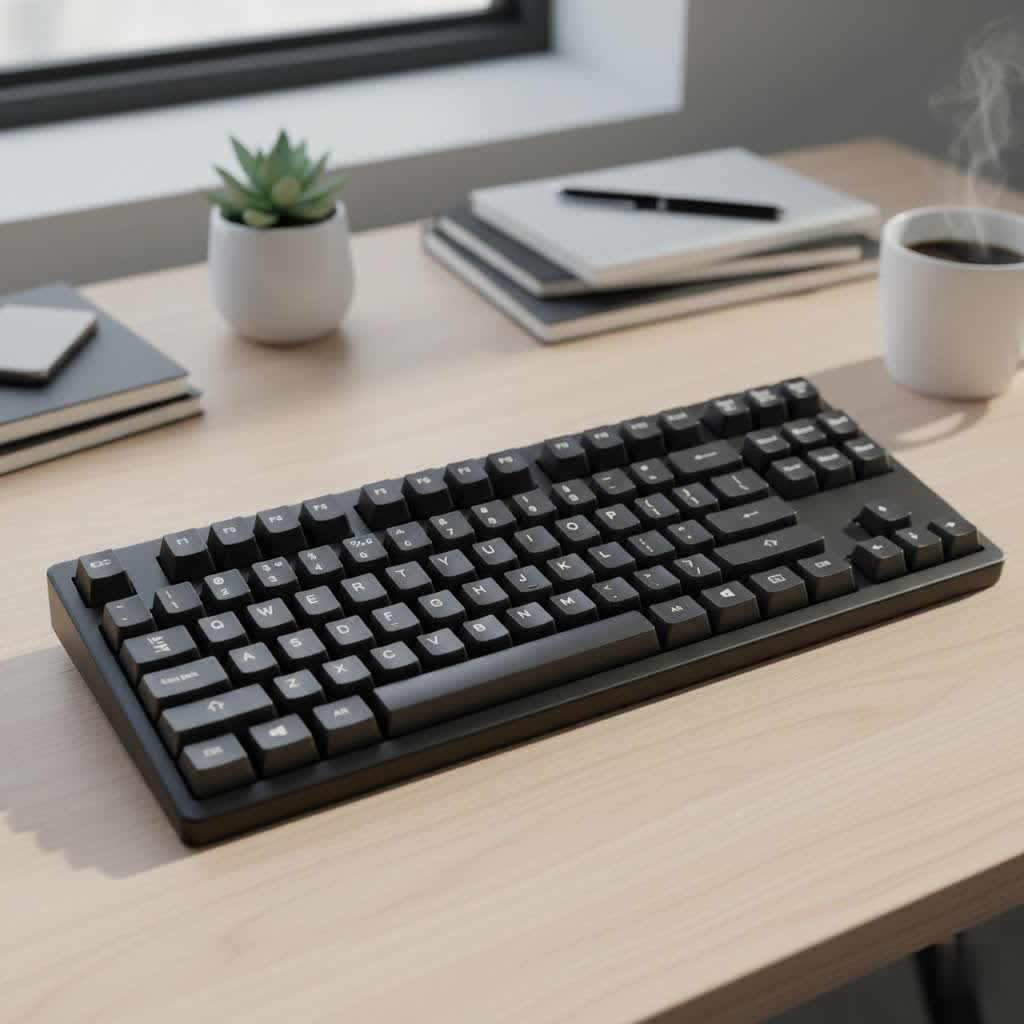
In a world dominated by plastic and metal, there’s an undeniable allure to integrating natural materials into our tech. The Wooden Mechanical Keyboard stands as a perfect testament to this, merging the rich, organic warmth of timber with the precision engineering of a high-performance input device. As an engineer who has spent over a decade dissecting, building, and perfecting mechanical keyboards, I’ve seen trends come and go. Yet, the appeal of a wooden keyboard is timeless. It’s not just a tool; it’s a statement piece, a sensory experience, and a nod to classic craftsmanship that elevates any desk setup from mundane to magnificent.
Why Choose a Wooden Mechanical Keyboard?
The decision to opt for a wooden chassis over a standard aluminum or plastic one goes beyond mere aesthetics. It’s about the entire user experience, from the acoustics of your keystrokes to the tactile sensation under your fingertips.
Unmatched Aesthetics and Feel
|
Our Picks for the Best Mechanical Keyboard in 2026
As an Amazon Associate I earn from qualifying purchases.
|
||
| Num | Product | Action |
|---|---|---|
| 1 | RK ROYAL KLUDGE R98 Pro Wired Mechanical Keyboard, 96% Creamy Gaming Keyboard RGB Backlit with Number Pad and Volume Knob, Gasket Mount, MDA Profile PBT Keycaps, Hot Swappable Pre-lubed Linear Switch |

|
| 2 | AULA F75 Pro Wireless Mechanical Keyboard,75% Hot Swappable Custom Keyboard with Knob,RGB Backlit,Pre-lubed Reaper Switches,Side Printed PBT Keycaps,2.4GHz/USB-C/BT5.0 Mechanical Gaming Keyboards |
|
| 3 | AULA F99 Wireless Mechanical Keyboard,Tri-Mode BT5.0/2.4GHz/USB-C Hot Swappable Custom Keyboard,Pre-lubed Linear Switches,RGB Backlit Computer Gaming Keyboards for PC/Tablet/PS/Xbox |
|
| 4 | Redragon Mechanical Gaming Keyboard Wired, 11 Programmable Backlit Modes, Hot-Swappable Red Switch, Anti-Ghosting, Double-Shot PBT Keycaps, Light Up Keyboard for PC Mac |
|
| 5 | EPOMAKER x Aula F75 Gasket Mechanical Keyboard, 75% Wireless Hot Swappable Gaming Keyboard with Five-Layer Padding&Knob, Bluetooth/2.4GHz/USB-C, RGB (Light Blue, LEOBOG Reaper Switch) |
|
| 6 | Logitech MX Mechanical Wireless Illuminated Performance Keyboard, Tactile Quiet Switches, Backlit Keys, Bluetooth, USB-C, macOS, Windows, Linux, iOS, Android, Metal, Graphite |
|
| 7 | RK ROYAL KLUDGE S98 Mechanical Keyboard w/Smart Display & Knob, Top Mount 96% Wireless Mechanical Keyboard BT/2.4G/USB-C, Hot Swappable, Software Support, Creamy Sounding, 98 Keys |
|
| 8 | AK96 Smart Mechanical Keyboard Gaming, 96 Keys Full Size with LED Colorful Backlit, Clicky Creamy Sounding, USB Wired Computer Keyboard with Volume Knob for PC, Mac, Windows(Grey) |
|
| 9 | SteelSeries USB Apex 5 Hybrid Mechanical Gaming Keyboard – Per-Key RGB Illumination – Aircraft Grade Aluminum Alloy Frame – OLED Smart Display (Hybrid Blue Switch) |
|
| 10 | Womier S-K80 75% Keyboard with Color Multimedia Display Mechanical Gaming Keyboard Creamy Sound, Wired Hot Swappable Gasket Mount RGB Custom Key board, Pre-lubed Stabilizer for Mac/Win, Black Kanagawa |
|
Every wooden keyboard is unique. The natural grain of walnut, the smooth finish of maple, or the distinct pattern of bamboo ensures that no two keyboards are exactly alike. This brings a level of personalization and artistry that mass-produced plastic cases simply cannot replicate. Running your hand over a solid wood case feels substantial and grounded in a way that other materials don’t. It’s a connection to something natural in an otherwise digital workspace.
The Unique Acoustics of Wood
One of the most celebrated characteristics of a wooden mechanical keyboard is its sound profile. Wood, as a porous and fibrous material, naturally absorbs and dampens sound in a very pleasing way. While plastic keyboards can sound hollow and high-pitched, and aluminum boards can have a sharper, clackier report, wood provides a deeper, softer, and more resonant tone. This creates that “thocky” sound that so many enthusiasts chase after—a satisfying, low-frequency sound with each press that makes typing a genuine pleasure.
Potential Downsides and Considerations
Of course, working with a natural material like wood comes with its own set of challenges. Wood is susceptible to changes in humidity and temperature, which could potentially cause warping or cracking over time if not cared for properly. They are also generally heavier and less portable than their plastic counterparts. Furthermore, due to the craftsmanship involved and the nature of the material, they often come with a higher price tag and have more limited availability in various layouts compared to mainstream options.
Common Woods Used in Keyboard Craft
The type of wood used for the keyboard case dramatically impacts its look, feel, and sound. Several types have become popular in the community for their unique properties.
- Walnut: A popular choice, walnut is a hardwood known for its rich, dark color and beautiful grain patterns. It’s durable, easy to work with, and produces a wonderfully deep and muted sound profile.
- Maple: Lighter in color, maple is incredibly dense and durable. It offers a clean, modern aesthetic and contributes to a slightly brighter, yet still solid, sound signature.
- Bamboo: Technically a grass, bamboo is a sustainable and eco-friendly option. It’s lightweight yet strong, often featuring a very clean and minimalist look. Its acoustic properties are often described as crisp and clean.
- Rosewood: A premium, dense hardwood with a reddish-brown hue, rosewood is prized for its visual beauty and excellent resonance, often used in musical instruments and, by extension, high-end keyboards.
The Anatomy of a Wooden Mechanical Keyboard
While the case is the star of the show, the other components are just as crucial in defining the overall experience.
The Case: The Soul of the Board
The case is the foundation. A well-crafted wooden case, milled from a single block of wood, will provide stability and superior acoustics. The thickness and density of the wood will directly influence the sound and feel, with heavier hardwoods providing a more solid, planted typing experience.
Switches and Compatibility
Most wooden keyboard cases are designed to be compatible with standard PCB sizes (like 60%, 65%, or 75%) and plate mounts. This means you have the freedom to choose your favorite switches, whether they are linear, tactile, or clicky. The combination of your chosen switch and the wooden case is where the magic happens, creating a typing experience that is uniquely yours.
- Expert Tip: From my experience, tactile switches with a rounded bump, like Zealios or Boba U4Ts, pair exceptionally well with a solid walnut case. The wood’s deep acoustics complement the switch’s tactility without adding any harshness. As master craftsman Johnathan Ellwood once said, “The wood doesn’t just hold the keyboard; it becomes an instrument that the switches play.”
Can You Get Wooden Keycaps?
Yes, wooden keycaps are available and can complete the all-natural aesthetic. However, they are more of a novelty. The texture can feel great, but they are prone to wear and can feel inconsistent compared to high-quality PBT plastic keycaps. Many users prefer to pair a wooden case with a premium keycap set that complements the wood’s color and texture.
Care and Maintenance for Your Keyboard
A wooden mechanical keyboard requires a little more care than a standard one, but it’s simple to maintain.
- Avoid Extreme Environments: Keep the keyboard away from direct sunlight and areas with high humidity or drastic temperature fluctuations.
- Regular Dusting: Use a soft, dry cloth or a soft-bristled brush to keep the case and keycaps clean.
- Condition the Wood: Once or twice a year, apply a small amount of wood conditioner or wax (like beeswax polish) to a cloth and gently buff the case. This helps maintain its luster and protects it from drying out.
- Handle with Care: While durable, wood can dent or scratch more easily than metal. Treat it as you would a fine piece of furniture.
Frequently Asked Questions (FAQ)
Are wooden keyboards good for gaming?
Absolutely. The performance of a gaming keyboard is determined by its switches, PCB, and firmware, not the case material. A wooden keyboard with fast linear switches will perform just as well as any other, but with a much more satisfying sound and feel.
Do wooden keyboards warp easily?
High-quality wooden keyboards are typically made from well-dried and sealed hardwoods, making them resistant to warping under normal indoor conditions. As long as you avoid extreme humidity or direct water exposure, it should remain stable for years.
Are wooden mechanical keyboards heavier?
Yes, keyboards made from solid hardwoods like walnut or oak are noticeably heavier than plastic keyboards and can even be heavier than some aluminum ones. This added weight provides excellent stability on your desk, preventing any sliding during intense typing or gaming sessions.
How does a wooden keyboard change the sound of switches?
Wood acts as a natural dampener. It absorbs higher-frequency sounds, which is why it can make clicky switches sound less sharp and linear/tactile switches sound deeper and more resonant, often described as “thocky.”
Is building a DIY wooden keyboard difficult?
If you have woodworking experience, creating a custom case can be a very rewarding project. For those without the tools or skills, it’s easier to purchase a pre-made wooden case designed to fit standard keyboard components (PCB, plate), which simplifies the assembly process significantly.
The Final Word
A wooden mechanical keyboard is more than just a peripheral; it’s an investment in a more refined and enjoyable typing experience. It brings a piece of the natural world to your desk, offering a unique combination of visual beauty, pleasing acoustics, and a solid, tactile feel. Whether you’re a seasoned keyboard enthusiast or someone looking to elevate their workspace, the warmth and character of a wooden keyboard are truly second to none.
