The world of custom mechanical keyboards can feel like a deep rabbit hole, but at the center of every great build lies a component that is too often overlooked: the case. The right choice in Mechanical Keyboard Cases does more than just house the electronics; it is the foundation of your board’s sound, feel, and aesthetic. As an engineer who has spent over a decade designing, building, and modding keyboards, I can tell you that the case is where the entire character of a keyboard is born. It’s the difference between a hollow, rattly typing experience and one that feels solid, resonant, and uniquely yours.
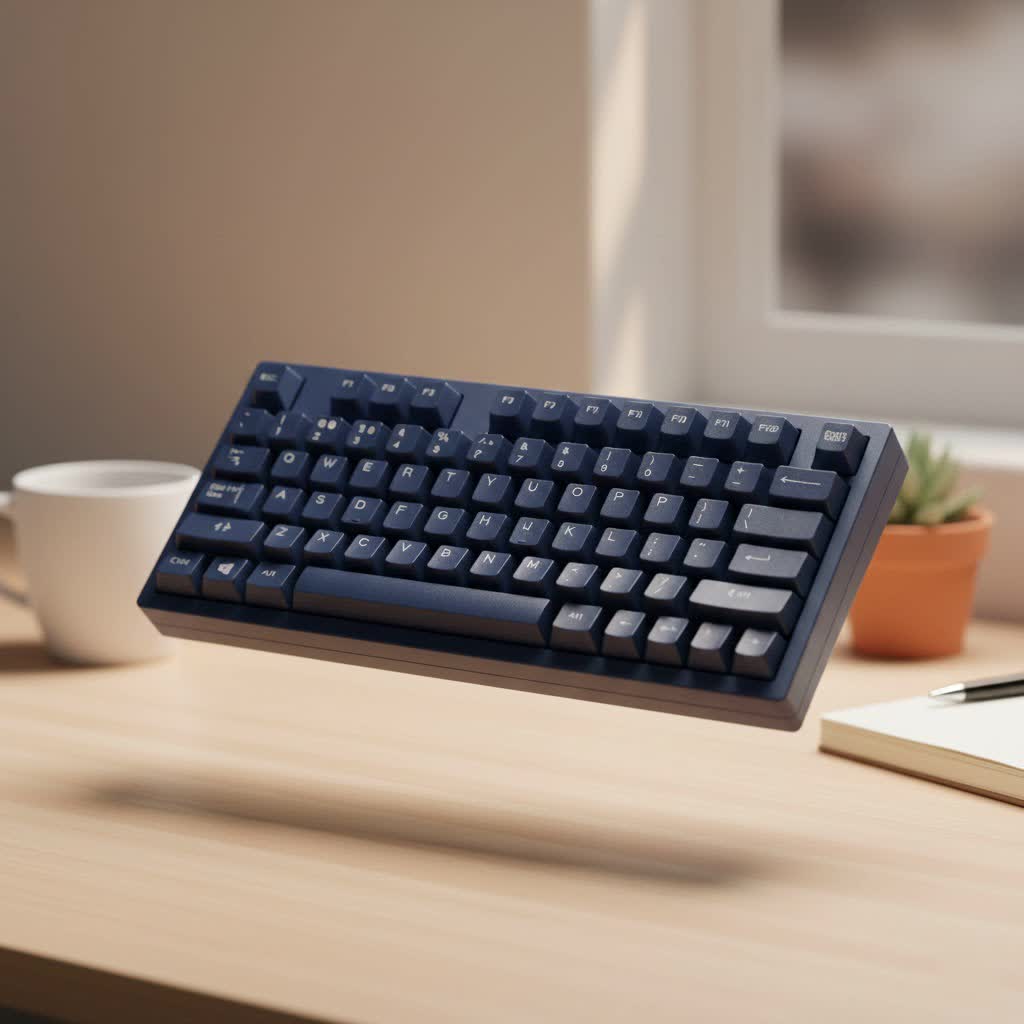
This guide will walk you through the essential elements of mechanical keyboard cases, from the materials that define their acoustics to the mounting styles that dictate their feel. By the end, you’ll have the knowledge to choose the perfect chassis for your next masterpiece.
What is a Mechanical Keyboard Case?
At its most basic, a mechanical keyboard case is the protective shell that encloses the Printed Circuit Board (PCB) and the plate. However, its role is far more critical than simple protection. The case is the primary structural component, providing rigidity and weight. More importantly, it acts as a resonance chamber, amplifying and shaping the sounds produced by every single keystroke. The material, design, and even the method used to secure the internal components all have a profound impact on the final typing experience.
The Core Materials: Choosing Your Case’s Character
The material of a keyboard case is its soul. It dictates weight, durability, and most significantly, its sound profile. While there are many options, a few core materials dominate the market.
Aluminum: The Premium Standard
When you imagine a high-end custom keyboard, you’re likely picturing one with a CNC-machined aluminum case. It’s popular for a reason.
- Feel: Aluminum provides a substantial, dense, and premium feel. Its rigidity means there is very little to no flex when typing, resulting in a firm and responsive experience.
- Sound: It tends to produce a cleaner, higher-pitched, and more articulate sound. Enthusiasts often describe this as “clacky.” The sound is consistent and bright.
- Aesthetics: Often finished with anodization, aluminum cases come in a wide array of vibrant, durable colors with a smooth, metallic finish.
|
Our Picks for the Best Mechanical Keyboard in 2026
As an Amazon Associate I earn from qualifying purchases.
|
||
| Num | Product | Action |
|---|---|---|
| 1 | AULA F75 Pro Wireless Mechanical Keyboard,75% Hot Swappable Custom Keyboard with Knob,RGB Backlit,Pre-lubed Reaper Switches,Side Printed PBT Keycaps,2.4GHz/USB-C/BT5.0 Mechanical Gaming Keyboards |

|
| 2 | AULA F99 Wireless Mechanical Keyboard,Tri-Mode BT5.0/2.4GHz/USB-C Hot Swappable Custom Keyboard,Pre-lubed Linear Switches,RGB Backlit Computer Gaming Keyboards for PC/Tablet/PS/Xbox |
|
| 3 | Womier S-K80 75% Keyboard with Color Multimedia Display Mechanical Gaming Keyboard Creamy Sound, Wired Hot Swappable Gasket Mount RGB Custom Key board, Pre-lubed Stabilizer for Mac/Win, Black Kanagawa |
|
| 4 | SteelSeries USB Apex 5 Hybrid Mechanical Gaming Keyboard – Per-Key RGB Illumination – Aircraft Grade Aluminum Alloy Frame – OLED Smart Display (Hybrid Blue Switch) |
|
| 5 | RK ROYAL KLUDGE S98 Mechanical Keyboard w/Smart Display & Knob, Top Mount 96% Wireless Mechanical Keyboard BT/2.4G/USB-C, Hot Swappable, Software Support, Creamy Sounding, 98 Keys |
|
| 6 | RK ROYAL KLUDGE R98 Pro Wired Mechanical Keyboard, 96% Creamy Gaming Keyboard RGB Backlit with Number Pad and Volume Knob, Gasket Mount, MDA Profile PBT Keycaps, Hot Swappable Pre-lubed Linear Switch |
|
| 7 | Logitech MX Mechanical Wireless Illuminated Performance Keyboard, Tactile Quiet Switches, Backlit Keys, Bluetooth, USB-C, macOS, Windows, Linux, iOS, Android, Metal, Graphite |
|
| 8 | EPOMAKER x Aula F75 Gasket Mechanical Keyboard, 75% Wireless Hot Swappable Gaming Keyboard with Five-Layer Padding&Knob, Bluetooth/2.4GHz/USB-C, RGB (Light Blue, LEOBOG Reaper Switch) |
|
| 9 | Redragon Mechanical Gaming Keyboard Wired, 11 Programmable Backlit Modes, Hot-Swappable Red Switch, Anti-Ghosting, Double-Shot PBT Keycaps, Light Up Keyboard for PC Mac |
|
| 10 | AK96 Smart Mechanical Keyboard Gaming, 96 Keys Full Size with LED Colorful Backlit, Clicky Creamy Sounding, USB Wired Computer Keyboard with Volume Knob for PC, Mac, Windows(Grey) |
|
Polycarbonate: The Resonant Favorite
For those who prioritize sound and a softer typing feel, polycarbonate (PC) is a top contender. This durable thermoplastic offers a completely different experience from metal.
- Feel: Polycarbonate has a noticeable amount of flex, which can create a softer, more cushioned bottom-out experience compared to aluminum. It feels less harsh on the fingers during long typing sessions.
- Sound: This is where PC shines. It produces a deeper, more rounded, and lower-pitched sound profile, often described as “thocky” or “poppy.” Its translucent nature also makes it the perfect choice for builds that want to maximize RGB lighting effects.
- Aesthetics: Typically available in transparent, frosted, or smokey finishes, PC cases are all about showcasing the internal components and underglow lighting.
Acrylic: The DIY Dream
Stacked or routed acrylic cases are a mainstay in the DIY community. This material allows for a high degree of customization and a unique aesthetic.
- Feel: The feel can vary depending on the design (stacked vs. CNC), but it generally offers a stiffer feel than polycarbonate with less flex.
- Sound: Acrylic produces a sound profile that sits somewhere between the high pitch of aluminum and the deep thock of polycarbonate. It can be somewhat clackier and more “raw” sounding.
- Aesthetics: Like PC, acrylic is fantastic for RGB. Its crystal-clear nature and the ability to layer different colored sheets make it visually striking and highly customizable.
How It’s Held Together: Understanding Mounting Styles
If the case material is the soul, the mounting style is the heart. This refers to how the plate and PCB assembly is secured inside the case. This mechanical detail is arguably one of the most important factors influencing typing feel.
Tray Mount: The Classic Starter
This is the most traditional and straightforward mounting style. The PCB/plate assembly is screwed directly into standoffs that are part of the bottom case.
- Feel: Because the mounting points are not evenly distributed, tray mount keyboards can have an inconsistent feel, with keys near the screws feeling much stiffer than those in the middle. It creates a very firm typing experience overall.
- Best For: Budget-friendly builds and beginners who want a simple assembly process.
Top Mount: The Consistent Performer
In a top-mount design, the plate is attached to the top half of the case via screws along its perimeter. This provides a more consistent typing feel across the entire board compared to a tray mount.
- Feel: It delivers a firm, uniform typing experience with very little flex. The vibrations from typing are transferred directly into the case, resulting in a clean sound.
- Best For: Users who prefer a classic, stiff typing feel without the inconsistencies of a tray mount.
Gasket Mount: The Modern Standard for Softness
Gasket mount has exploded in popularity, and for good reason. Instead of screws, this style uses strips of Poron foam or rubber gaskets to sandwich the plate between the top and bottom case halves. The entire assembly “floats” without any direct metal-to-metal contact.
- Feel: This isolation creates a cushioned, flexible, and much softer typing experience. It reduces harsh vibrations and minimizes finger fatigue.
- Best For: Anyone seeking a premium, bouncy feel and a muted, deep, or “thocky” sound profile. It has become the de facto standard in the high-end custom scene.
As materials scientist and keyboard enthusiast Dr. Alistair Finch notes, “The shift to gasket mounting represents a fundamental change in design philosophy. We moved from simply holding components in place to acoustically isolating them, treating the keyboard case less like a box and more like a musical instrument’s body.”
How Do Mechanical Keyboard Cases Affect Sound and Feel?
The interplay between material and mounting style creates a keyboard’s unique signature.
- For a high-pitched, sharp, “clacky” sound and a stiff feel: Combine a dense material like aluminum with a rigid mounting style like top mount.
- For a low-pitched, deep, “thocky” sound and a soft, flexible feel: Combine a more resonant material like polycarbonate with an isolated mounting style like gasket mount.
Weight also plays a crucial role. Heavier cases, often made of aluminum or featuring internal brass weights, tend to feel more stable on the desk and can help deepen the sound profile by reducing unwanted vibrations and hollowness.
Choosing the Right Case for You
Feeling overwhelmed? Ask yourself these simple questions to find your perfect match:
- What is your budget? Plastic or acrylic cases are generally more affordable, while CNC aluminum and polycarbonate cases command a premium.
- What sound profile do you prefer? If you love deep, muted sounds (“thock”), look towards polycarbonate and gasket mounts. If you prefer crisp, clean sounds (“clack”), aluminum and top mounts are your best bet.
- What typing feel are you after? For a soft, cushioned experience, gasket mount is the clear winner. For a firm, responsive feel, consider a top-mounted aluminum case.
- Is RGB lighting a priority? If so, you’ll want a transparent or translucent case made of polycarbonate or acrylic to let the light shine through.
Frequently Asked Questions (FAQ)
What is the best material for a keyboard case?
There is no single “best” material; it’s about preference. Aluminum is considered premium for its durability and feel, while polycarbonate is favored by many for its superior sound acoustics.
Is a gasket mount really better?
“Better” is subjective. Gasket mount provides a softer, bouncier typing feel that many users find more comfortable for long sessions. However, some people prefer the firm, direct feedback of a top-mount or tray-mount board.
Can I swap the case on my pre-built keyboard?
Generally, no. Most pre-built keyboards from major brands like Logitech, Razer, or Corsair use proprietary mounting points and PCBs that are not compatible with standard aftermarket cases. Case swapping is primarily a feature of the custom keyboard hobby.
How much does a good keyboard case cost?
Prices vary widely. A basic plastic or acrylic case might cost $20-$60. A high-quality, CNC-machined aluminum case can range from $100 to well over $500, depending on the complexity, finish, and brand.
Does the weight of the keyboard case matter?
Yes. A heavier case feels more substantial and stable on the desk, preventing it from sliding around. The added mass can also help to dampen unwanted high-frequency vibrations, often leading to a more pleasant and deeper sound.
Conclusion: Your Build’s Foundation
Choosing from the vast array of mechanical keyboard cases is the first and most important step in defining your custom build. It’s a decision that will influence every keystroke you make. By understanding the fundamental differences in materials and mounting styles, you can move beyond the spec sheet and start crafting an experience that is perfectly tuned to your personal preferences. Whether you choose a hefty aluminum block for its rigidity or a flexible polycarbonate case for its acoustics, you are laying the foundation for a keyboard that is truly your own.
