As a dedicated mechanical keyboard enthusiast with over a decade in the trenches and the lead content creator for Yoasy.com, I’ve seen countless trends come and go, but one thing remains constant: the profound impact a high-quality Mechanical Gaming Keyboard has on your performance and overall experience. Forget flimsy membrane boards; a mechanical keyboard is a precision instrument, designed to give you the edge in every virtual battlefield. Whether you’re a casual player or a competitive eSports athlete, understanding the nuances of these incredible devices is key to unlocking your full potential.
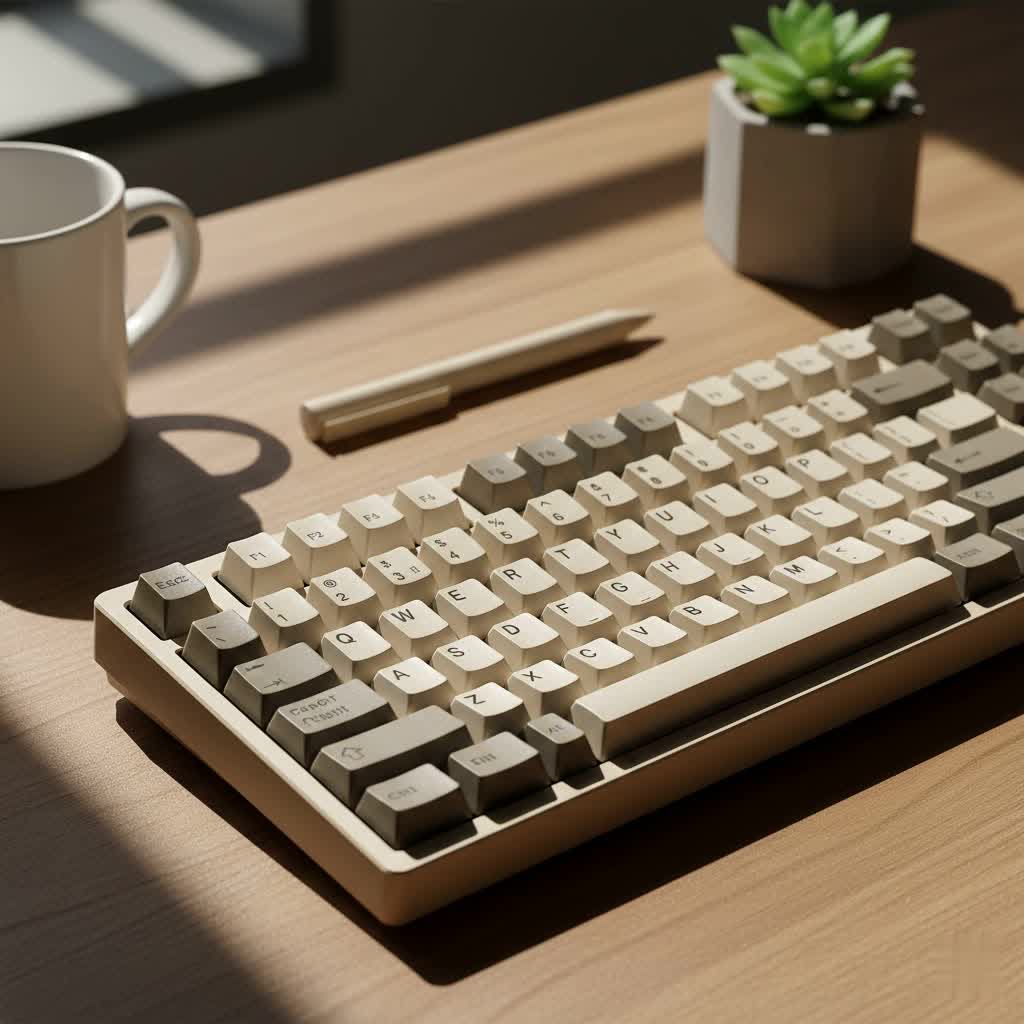
What Makes a Mechanical Gaming Keyboard Tick? The Core Components
At its heart, a mechanical gaming keyboard is a sophisticated piece of engineering. Unlike rubber dome keyboards, each key here has its own dedicated switch, providing distinct tactile or audible feedback and significantly faster actuation. This individual mechanism is what delivers the unparalleled responsiveness and durability that gamers crave.
Switches: The Heart of the Action
|
Our Picks for the Best Mechanical Keyboard in 2026
As an Amazon Associate I earn from qualifying purchases.
|
||
| Num | Product | Action |
|---|---|---|
| 1 | AULA F99 Wireless Mechanical Keyboard,Tri-Mode BT5.0/2.4GHz/USB-C Hot Swappable Custom Keyboard,Pre-lubed Linear Switches,RGB Backlit Computer Gaming Keyboards for PC/Tablet/PS/Xbox |

|
| 2 | RK ROYAL KLUDGE R98 Pro Wired Mechanical Keyboard, 96% Creamy Gaming Keyboard RGB Backlit with Number Pad and Volume Knob, Gasket Mount, MDA Profile PBT Keycaps, Hot Swappable Pre-lubed Linear Switch |
|
| 3 | Logitech MX Mechanical Wireless Illuminated Performance Keyboard, Tactile Quiet Switches, Backlit Keys, Bluetooth, USB-C, macOS, Windows, Linux, iOS, Android, Metal, Graphite |
|
| 4 | AK96 Smart Mechanical Keyboard Gaming, 96 Keys Full Size with LED Colorful Backlit, Clicky Creamy Sounding, USB Wired Computer Keyboard with Volume Knob for PC, Mac, Windows(Grey) |
|
| 5 | Womier S-K80 75% Keyboard with Color Multimedia Display Mechanical Gaming Keyboard Creamy Sound, Wired Hot Swappable Gasket Mount RGB Custom Key board, Pre-lubed Stabilizer for Mac/Win, Black Kanagawa |
|
| 6 | Redragon Mechanical Gaming Keyboard Wired, 11 Programmable Backlit Modes, Hot-Swappable Red Switch, Anti-Ghosting, Double-Shot PBT Keycaps, Light Up Keyboard for PC Mac |
|
| 7 | RK ROYAL KLUDGE S98 Mechanical Keyboard w/Smart Display & Knob, Top Mount 96% Wireless Mechanical Keyboard BT/2.4G/USB-C, Hot Swappable, Software Support, Creamy Sounding, 98 Keys |
|
| 8 | AULA F75 Pro Wireless Mechanical Keyboard,75% Hot Swappable Custom Keyboard with Knob,RGB Backlit,Pre-lubed Reaper Switches,Side Printed PBT Keycaps,2.4GHz/USB-C/BT5.0 Mechanical Gaming Keyboards |
|
| 9 | SteelSeries USB Apex 5 Hybrid Mechanical Gaming Keyboard – Per-Key RGB Illumination – Aircraft Grade Aluminum Alloy Frame – OLED Smart Display (Hybrid Blue Switch) |
|
| 10 | EPOMAKER x Aula F75 Gasket Mechanical Keyboard, 75% Wireless Hot Swappable Gaming Keyboard with Five-Layer Padding&Knob, Bluetooth/2.4GHz/USB-C, RGB (Light Blue, LEOBOG Reaper Switch) |
|
The switch is arguably the most critical component, directly influencing how a key feels when pressed. For gaming, speed, consistency, and a comfortable actuation point are paramount.
Linear Switches: Speed and Smoothness
Linear switches offer a smooth, consistent keystroke from top to bottom, with no tactile bump or audible click. This makes them ideal for fast-paced games where rapid, repeated key presses are common. Think of them as the drag racers of the keyboard world – no frills, just pure speed. Red and Black switches are classic examples.
Tactile Switches: Feedback for Precision
Tactile switches feature a noticeable “bump” midway through the keystroke, letting you know the key has actuated without needing to bottom out. This feedback can be invaluable for games requiring precise inputs, helping to prevent accidental presses and confirm each command. Brown switches are the most well-known tactile option.
Clicky Switches: Audible Confirmation
Clicky switches provide both a tactile bump and an audible “click” sound upon actuation. While some gamers enjoy the satisfying sound, the distinct click can be distracting in competitive environments or shared spaces. Blue switches are the most common clicky type. These are generally less recommended for serious gaming due to the louder sound profile and often heavier actuation force.
Advanced Switches: Optical, Magnetic, and Low-Profile
The innovation in mechanical switches never stops. Optical switches use light to register key presses, offering near-instantaneous actuation and enhanced durability due to fewer moving parts. Magnetic switches, like those found in the Wooting keyboards, allow for adjustable actuation points and even “rapid trigger” functionality, letting you reset an actuation without fully releasing the key – a game-changer for competitive FPS players. Low-profile switches offer a shorter travel distance and a thinner keyboard form factor, often preferred by laptop users or those who like a more compact feel.
Keycaps: More Than Just Aesthetics
While often overlooked, keycaps play a significant role in both the feel and longevity of your mechanical gaming keyboard. They’re the literal interface between you and your commands.
Material Matters: ABS vs PBT
- ABS (Acrylonitrile Butadiene Styrene): These keycaps are common, often having a smooth, slightly glossy finish. They can develop a “shine” over time from finger oils, which some find undesirable. However, they are generally thinner and allow for brighter RGB pass-through.
- PBT (Polybutylene Terephthalate): PBT keycaps are renowned for their durability and resistance to shine. They typically have a slightly textured, matte finish, which many users prefer for grip and feel. PBT is a denser plastic, often leading to a deeper, more premium sound profile.
Profile Power: OEM, Cherry, and Beyond
Keycap profile refers to the shape and height of the keycaps across the keyboard.
- OEM Profile: This is the most common profile, seen on the majority of off-the-shelf keyboards. It has a sculpted shape, with rows having different heights and angles.
- Cherry Profile: Similar to OEM but generally slightly lower in height, offering a comfortable and ergonomic typing experience. It’s very popular among enthusiasts.
- Other Profiles: SA (tall, spherical tops), XDA/DSA (uniform height, spherical tops), and various unique sculpted profiles offer different aesthetics and typing sensations. For gaming, flatter profiles like Cherry or OEM are often preferred for quick transitions between keys.
Build Quality & Form Factors: Finding Your Fit
The overall construction of your mechanical gaming keyboard impacts its durability, weight, and even acoustics.
Full-Size, TKL, 60%: What’s Right for You?
- Full-Size (104/108 keys): Includes a numpad and all function keys. Great for those who also use their keyboard for productivity.
- Tenkeyless (TKL – ~87 keys): Omits the numpad, making it more compact and allowing for more mouse space – a huge advantage for many gamers.
- 60% (~61 keys): Extremely compact, removing the numpad, arrow keys, and function row. All these functions are accessed via a Fn layer. Ideal for maximizing desk space and travel.
- 65% (~68 keys): Similar to 60% but retains dedicated arrow keys, offering a good balance between compactness and functionality.
“Choosing the right form factor for your mechanical gaming keyboard is about balancing desk real estate with essential functionality,” advises Marcus ‘Kilo’ Chen, a renowned eSports analyst and custom keyboard modder. “For competitive players, TKL or 60/65% layouts often provide the crucial space needed for wide mouse movements without sacrificing critical keys through inconvenient FN layers.”
Plate Materials and Case Construction
The plate beneath the switches affects the typing feel and sound. Steel plates offer a firm, rigid feel, while aluminum can be slightly softer. Polycarbonate or brass plates also offer distinct acoustic and tactile properties. The keyboard case material, typically plastic or aluminum, dictates the keyboard’s weight and perceived premium feel. Aluminum cases generally offer superior rigidity and a more satisfying sound profile.
Choosing Your Perfect Mechanical Gaming Keyboard: A Practical Guide
Navigating the vast world of mechanical gaming keyboards can be daunting, but armed with the right knowledge, you can make an informed decision that elevates your gameplay.
What to Look for in a Gaming Mechanical Keyboard?
Why is switch type important for a mechanical gaming keyboard?
The switch type directly impacts your reaction time and comfort. Linear switches prioritize speed, tactile switches offer feedback for precision, and while clicky switches exist, they are less common for serious gaming. The right switch reduces fatigue and improves input accuracy.
How does latency affect a gaming keyboard’s performance?
Latency, the delay between a key press and the signal reaching your computer, is crucial for gaming. Even milliseconds matter in competitive play. High-quality wired connections and optimized 2.4GHz wireless systems (for wireless mechanical gaming keyboards) minimize latency, ensuring your actions are registered instantly.
Are hot-swappable switches necessary for a gaming keyboard?
Not strictly necessary, but highly recommended. Hot-swappable sockets allow you to easily change switches without soldering. This is fantastic for experimenting with different switch types, replacing faulty switches, or customizing the feel of specific keys for different games without buying a whole new keyboard. It adds immense flexibility and longevity to your investment.
Connectivity: Wired vs. Wireless
- Wired: The gold standard for competitive gaming. Wired connections offer the lowest latency and no battery concerns. A good braided cable can also add to the aesthetic.
- Wireless (2.4GHz): Modern 2.4GHz wireless mechanical gaming keyboards, using a dedicated dongle, have become remarkably good, offering latency comparable to wired connections. They provide a clutter-free desk setup, but remember to charge them! Bluetooth, while convenient, typically has higher latency and is generally not recommended for competitive gaming.
Software and Customization: Macros, RGB, and More
Most gaming mechanical keyboards come with dedicated software for customization. This allows you to:
- Remap keys: Change key assignments to suit your workflow or specific game needs.
- Create macros: Record complex sequences of key presses to execute with a single button, a huge time-saver in many games.
- Customize RGB lighting: Personalize your keyboard’s backlighting with millions of colors and dynamic effects. While mostly aesthetic, some games can integrate with RGB for in-game notifications.
- Adjust actuation points (for advanced switches): Fine-tune how sensitive your keys are, giving you granular control over your inputs.
Elevate Your Game: Modding Your Mechanical Gaming Keyboard
The world of mechanical keyboards extends far beyond off-the-shelf options. Modding allows you to personalize your keyboard’s sound, feel, and performance. Here are some popular mods that can significantly enhance your mechanical gaming keyboard experience:
1. Lubing Switches: Smooth Actuation, Better Sound
Lubricating your switches with specialized grease (like Krytox 205g0 for linear switches or Tribosys 3203 for tactiles) reduces friction between the moving parts. This results in an incredibly smooth keypress, eliminating scratchiness, and often creating a deeper, more satisfying sound profile. It’s a time-consuming but highly rewarding mod.
2. Stabilizer Mods: Eliminating Rattle
Stabilizers are crucial for larger keys like the spacebar, enter, and shift, preventing them from wobbling. Out-of-the-box stabilizers often suffer from “rattle.” Modding involves:
- Lubing: Applying grease to the stabilizer wires and housings.
- Clipping: Trimming the small feet on the stabilizer stems to prevent them from bottoming out fully, which can cause a clacky sound.
- Band-Aid Mod: Placing small adhesive bandages under the stabilizer housing to cushion the bottom-out.
These simple mods can transform a noisy, rattly spacebar into a smooth, thocky delight.
3. Sound Dampening: A Quieter, More Premium Feel
Adding foam inserts inside your keyboard case can significantly alter its acoustics. Case foam and plate foam fill hollow spaces, reducing pinging sounds and creating a denser, more “thocky” sound profile. Some keyboards also use dampening pads between the PCB and plate. This mod gives your keyboard a more premium, less hollow sound. The popular “tape mod,” where masking tape is applied to the back of the PCB, is another simple yet effective way to change the sound profile.
The Yoasy Take: Future Trends in Mechanical Gaming Keyboards
As we look ahead, the future of the mechanical gaming keyboard is exciting. We’re seeing continued innovation in switch technology, with magnetic switches becoming more mainstream for their unparalleled customizability. The demand for compact, highly customizable, and aesthetically pleasing keyboards continues to grow, pushing manufacturers to offer more hot-swappable options, premium materials, and deep software integration. We’re also seeing a rise in sustainable practices, with some brands exploring eco-friendly materials and modular designs for easier repairs and upgrades. The blend of high-performance gaming features with a personalized, enthusiast-grade experience is truly the sweet spot.
Frequently Asked Questions About Mechanical Gaming Keyboards
What is the best switch type for competitive FPS gaming?
For competitive FPS gaming, linear switches (like Cherry MX Red, Gateron Red, or Kailh Speed Silver) are often preferred due to their smooth, consistent actuation, which allows for rapid, repeated key presses and quick movements without any tactile interference. Magnetic switches with rapid trigger functionality are also gaining popularity for their unparalleled responsiveness.
How important is RGB lighting on a mechanical gaming keyboard?
RGB lighting is primarily aesthetic and offers no direct performance benefit. However, it can enhance immersion, allow for personalization, and in some cases, provide visual cues for in-game events when integrated with specific titles. It’s a matter of personal preference and style.
Can I use any keycaps on my mechanical gaming keyboard?
Most mechanical keyboards use Cherry MX-style stems (a cross-shaped stem). If your keycaps have this stem type, they should be compatible. However, certain keycap profiles (like SA) might interfere with the top case on some keyboards. Always check compatibility with your specific keyboard model if you’re unsure.
Is a wired or wireless mechanical gaming keyboard better for eSports?
For professional eSports, a wired mechanical gaming keyboard is generally still the safest choice due to its absolute reliability and zero latency concerns. However, modern 2.4GHz wireless mechanical gaming keyboards have advanced significantly and offer latency that is practically indistinguishable from wired connections for most users. Bluetooth, however, is not recommended for competitive play.
What is “key rollover” and why does it matter for gaming?
Key rollover (KRO) refers to how many keys can be pressed simultaneously and accurately registered by the keyboard. N-Key Rollover (NKRO) means every single key can be pressed at once, and all will be registered. This is crucial for gaming, as it prevents “ghosting” (missed key presses) when you’re executing complex commands with multiple simultaneous inputs.
Are more expensive mechanical gaming keyboards always better?
Not necessarily. While premium keyboards often feature higher-quality materials, advanced switches, and better build consistency, many mid-range options offer excellent performance and value. It’s important to consider specific features, switch types, and your personal preferences rather than just the price tag.
How often should I clean my mechanical gaming keyboard?
Regular cleaning is important for longevity and performance. I recommend a light dusting weekly and a deeper clean (removing keycaps, cleaning dust and debris) monthly or quarterly, depending on usage. Compressed air and a small brush are your best friends here.
Your Journey to Gaming Dominance Starts Here
Choosing the right mechanical gaming keyboard is a personal journey, one that empowers you to conquer new challenges and enjoy your favorite games like never before. From understanding the subtle nuances of switches and keycaps to exploring the vast potential of custom mods, every step you take brings you closer to a truly personalized and high-performance setup. At Yoasy.com, we believe that an informed gamer is a victorious gamer. Take the knowledge you’ve gained, experiment, and don’t be afraid to dive into the exciting world of mechanical keyboards. Your hands, and your win-loss record, will thank you. Now go forth and game on!
